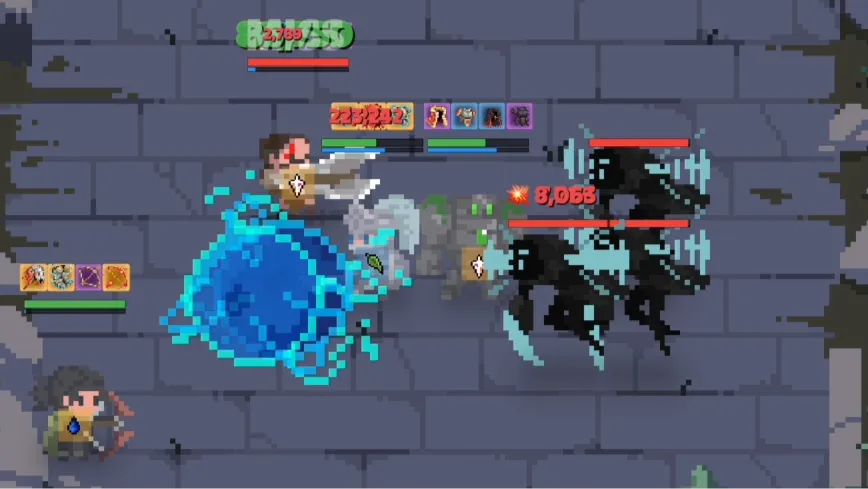


When you’ve played enough mobile games as Weilin Mei, founder of indie game studio PixelBuf has, you start to ponder a very important, and rather introspective question: what if I built a game custom made just for me, something that I’d wish someone else had developed? What would that look like?
That game for Weilin, it turns out, is none other than Idle Horizons: Dawn of Heroes.
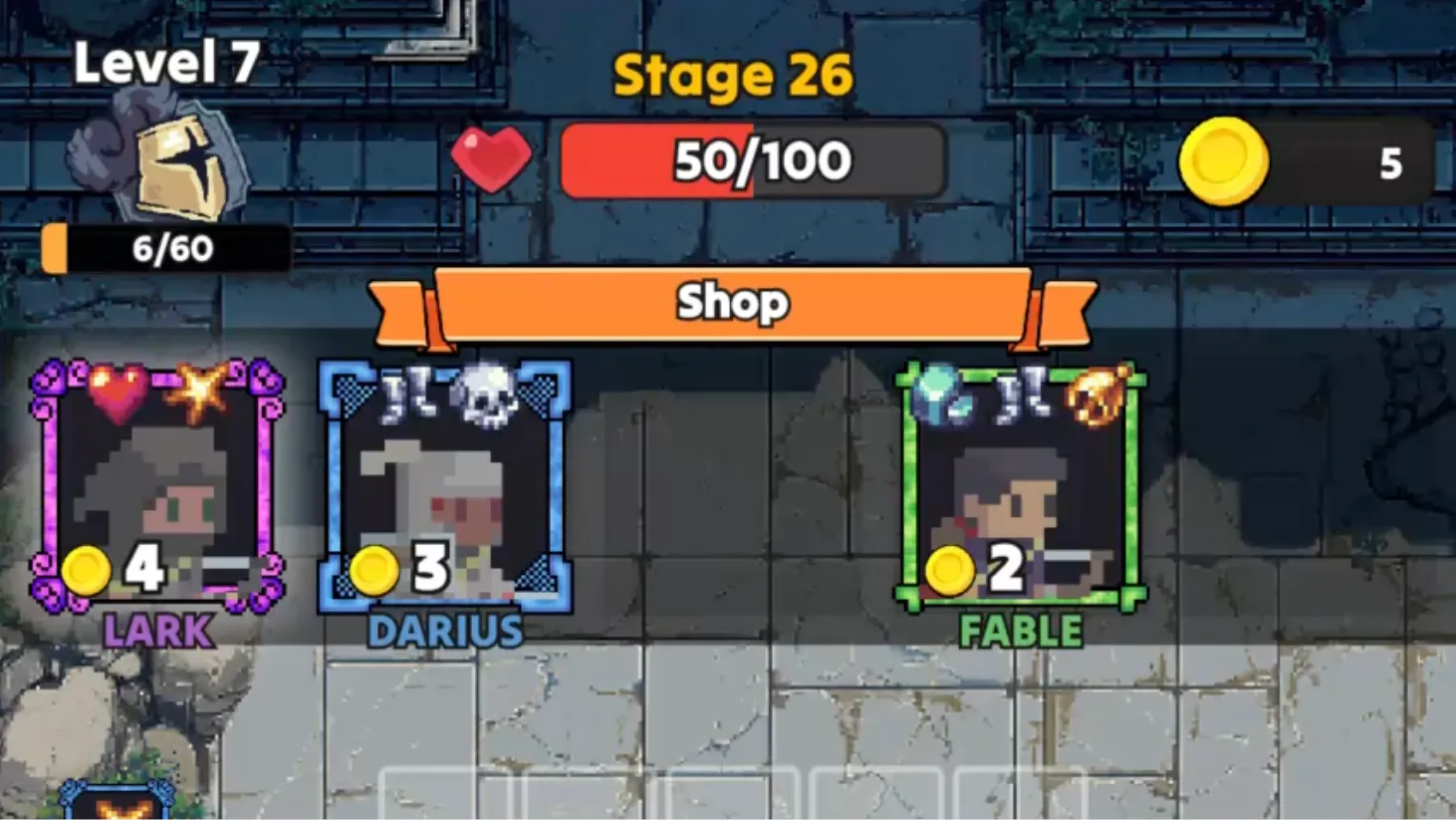
The game is equal parts auto chess and idle RPG, as the game’s Google Play store listing touts. That’s video game speak for a game that involves team building (you assemble a cast of characters with different abilities and roles) and make progress through the game with them (by earning resources and rewards), even when you’re not actively playing.
Before Weilin launched Idle Horizons, he was working full time as a software engineer and new to the whole game development world. In fact, this was the very first mobile game he had ever created, so he was quite taken aback when it turned out to be a hit, reaching hundreds of thousands of players in its first year.
“I didn’t expect it to do well,” he admits. “I thought maybe it’d make a little money. So when it passed a million in revenue, that was surprising,” to say the least.
And when you pull back the curtain, you notice all sorts of other pleasant surprises that make Weilin’s game unique among its peers.
Take, for instance, the game engine he went with: Flutter. It’s still a software framework that developers can use to build apps, but most game developers tend to actually go a different route, something more traditional like the Unity game engine. Weilin’s decision to use Flutter was actually a happy accident, due to not having any prior game development experience and Idle Horizons was his first ever game project.
Then there’s the fact that he’s trained as a backend engineer, so Idle Horizons is architected very elegantly under the hood, the pieces assembled deliberately and thoughtfully, so that the gameplay feels smooth, and everything is seamless. Moreover, there are virtually no cheaters in the game since everything is validated in the backend.
“The frontend app is like a slideshow with moving pieces controlled by the backend,” he explains.
And the data behind the scenes is also where Weilin is most at home. “I like looking at the data,” he says, referring to game analytics. “Trying to figure out where the bottlenecks are. What’s stopping players from progressing. What can be improved.”